


In-Depth Analysis of Renzo: From On-Chain to Off-Chain Asset Validation
Asset Validation Logic
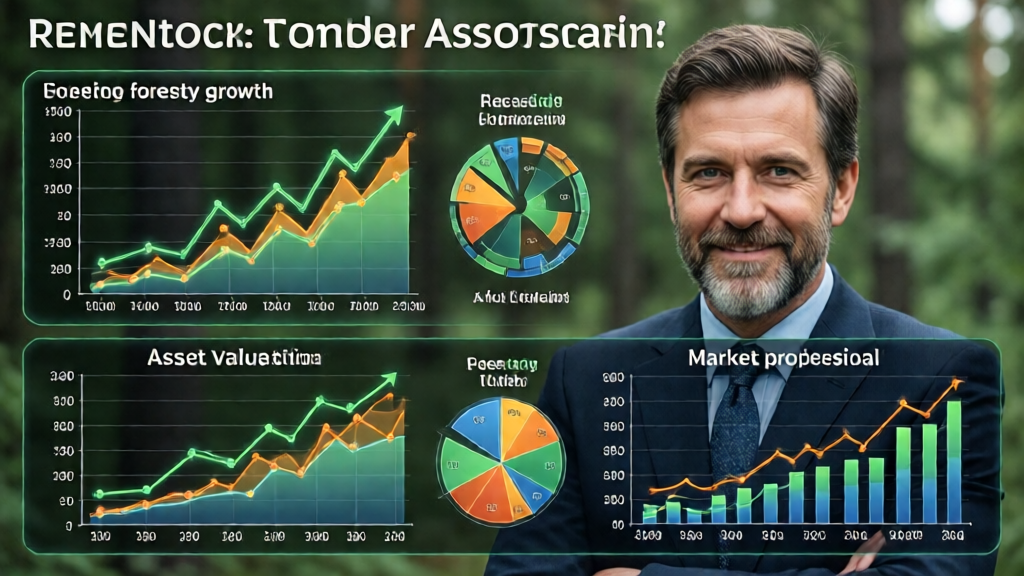
Based on the biological growth model, Renzo’s asset evaluation hinges on the intrinsic value derived from tangible forestry rights. This section critically assesses how the underlying value of timber can support the token, specifically tackling the implications should the blockchain protocol encounter failure. An efficient indexation of the timber volume, supported by empirical growth data, is essential for the proper backing of any asset-backed token.
The Math of Growth
Let’s consider a simplistic model: If a forest area yields an average of 5 cubic meters of timber per hectare annually, and we calibrate for an estimated annual deflationary token rate of 3%, the net effective yield can be modeled as follows:
Effective Yield = (Annual Growth Rate – Token Deflation Rate) * Timber Price
For example, if timber is valued at $50 per cubic meter, the effective yield per hectare can be calculated, offering valuable insights for stakeholders.
Comparison Matrix
| Project | Asset Authenticity | Legal Jurisdiction | Liquidity Depth | Oracle Mechanism |
|---|---|---|---|---|
| Renzo | High | Multi-jurisdictional | Moderate | Real-time with verification jumps |
| Project A | Medium | Single jurisdiction | High | Periodic updates |
| Project B | High | Multi-jurisdictional | Low | Real-time with manual auditing |
| Project C | Low | Single jurisdiction | Moderate | Event-driven |
The Asset Audit
The legal architecture surrounding Renzo involves a Special Purpose Vehicle (SPV) for efficient asset segregation, ensuring that timber assets are not co-mingled with other investments. Additionally, custodial entities are engaged to safeguard the physical assets. Satellite imaging and IoT technology are implemented to continuously monitor and validate the growth and health of the timber assets, enabling transparent reporting of asset conditions and compliance.
Regulatory Landscape
With the anticipated implementation of MiCA 2.0 in 2026, regulatory compliance in jurisdictions such as Hong Kong, Singapore, and the EU will significantly impact the operational capabilities of Renzo. Compliance with these evolving regulations will dictate the firm’s agility in product offerings and investor protection measures.
Exit Liquidity Analysis
When large investors opt to liquidate their positions, the timeframe for monetizing timber assets is critical. Factors influencing this cycle include market demand, regional economic conditions, and the volume of assets being liquidated at once.
2026 Edge: Technological Innovations
The deployment of ERC-3643 standard within Renzo enhances the management of access rights and stakeholder permissions in asset handling, ensuring robust framework adherence amid evolving market conditions. This strategic advantage positions Renzo favorably in a rapidly advancing regulatory landscape.
Conclusion
In conclusion, Renzo presents an intriguing investment opportunity anchored in tangible forestry assets. While the growth potential of timber aligns well with market demands, careful consideration of asset validation, liquidity mechanisms, and regulatory landscapes will be essential for investors engaging with this innovative asset class.


