

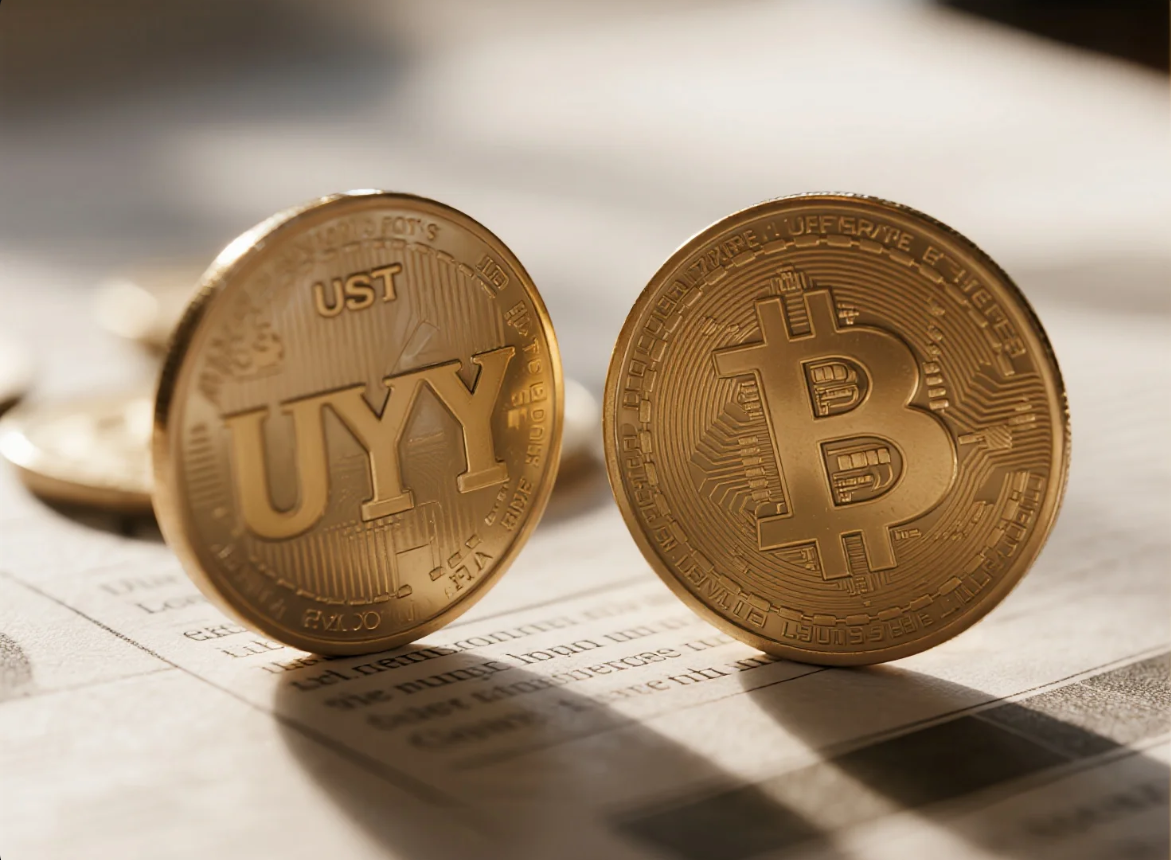
USDY is a yield-bearing stablecoin that generates returns for holders through tokenized short-term U.S. Treasuries and bank deposits. Unlike traditional stablecoins (e.g., USDT or USDC), which aim solely for a 1:1 dollar peg, USDY combines stability with interest-bearing functionality. Its yield sources and risk profile are the key differentiators. Below is a comprehensive breakdown of how USDY generates yield and the risks involved.
1. Sources of USDY Yield
1. Tokenized Short-Term U.S. Treasuries
- Core Asset: The primary backing consists of short-term U.S. Treasury bills (T-bills), widely regarded as one of the safest and most liquid investments globally due to negligible default risk.
- Yield Mechanism:
- Interest payments from the Treasuries are periodically distributed to USDY holders.
- Provides highly stable, predictable income backed by the U.S. government—essentially zero credit risk.
2. Bank Deposits
- Core Asset: Supplementary holdings in high-liquidity, low-risk bank deposits (e.g., certificates of deposit or cash equivalents).
- Yield Mechanism:
- Generates additional interest, though typically lower than Treasuries.
- Offers flexibility and strong liquidity, though rates can fluctuate more with market conditions.
3. Synthetic Yield Distribution
- Tokenization Process: Real-world assets (Treasuries and deposits) are digitized on-chain, with yields automated via smart contracts.
- DeFi Integration: Holders can earn further through staking, lending, or providing liquidity in DeFi protocols.
2. Risk Breakdown
While USDY offers attractive yields with strong backing, it is not risk-free.
1. Interest Rate Fluctuation Risk
- Treasury yields move inversely with market rates—if rates fall, income declines.
- Bank deposit rates are similarly sensitive to central bank policy changes.
2. Liquidity Risk
- Even highly liquid assets like short-term Treasuries can face delays during mass redemptions or stressed markets.
- Cross-chain bridging may introduce additional friction in DeFi environments.
3. Smart Contract Risk
- Vulnerabilities or bugs in the underlying contracts could lead to loss of funds or incorrect yield distribution.
4. Regulatory Risk
- Uncertainty around tokenized U.S. Treasuries and crypto regulation could trigger compliance hurdles.
- Cross-border use may encounter varying jurisdictional requirements.
5. Systemic Market Risk
- As a crypto-native asset, USDY’s secondary market price can still experience volatility during broader crypto downturns, even if underlying assets remain sound.
3. Risk Mitigation Strategies
- Diversified Asset Allocation Blend of short-term Treasuries, cash, and low-volatility deposits to buffer against single-asset shocks.
- Rigorous Smart Contract Audits Regular third-party audits to minimize technical vulnerabilities.
- Transparent Reserves and Redemption Mechanisms Public attestations and robust off-ramps to maintain confidence during high-redemption periods.
- Proactive Regulatory Engagement Close coordination with regulators, especially regarding tokenized government securities.
4. Summary: Prospects and Challenges of the Yield-Bearing Model
USDY introduces a novel “real yield” asset to DeFi by tokenizing traditional safe instruments. It offers institutions and conservative investors a transparent, blockchain-native way to earn stable returns.
However, interest rate sensitivity, liquidity constraints, smart contract risks, and regulatory uncertainty remain key challenges. For investors seeking low-risk yield, USDY is compelling—but diligent risk management is essential.

Why Yield-Bearing Stablecoins Like USDY Are Better Suited for Institutions Than Retail Investors
The design of products like USDY aligns far more closely with institutional needs than retail preferences. The differences stem from scale, risk management, compliance requirements, and investment horizons.
1. Fundamental Differences in Capital Management
Institutional Characteristics
- Large-Scale Capital: Institutions manage massive pools requiring diversified, sophisticated strategies across asset classes.
- Focus on Stability: Prioritize long-term, predictable returns over short-term speculation.
- High Liquidity Needs: Must reallocate quickly during market shifts—USDY’s Treasury-backed structure supports efficient, low-loss exits.
Retail Characteristics
- Smaller Positions: More opportunistic, often chasing short-term trends or higher volatility.
- Higher Risk Appetite: Frequently drawn to speculative plays rather than modest, steady yields.
2. Risk Tolerance and Product Fit
Institutions
- Professional risk teams actively hedge and diversify.
- Favor low-volatility assets that serve as portfolio ballast.
- Strict internal compliance mandates make regulated, transparent products like USDY ideal.
Retail Investors
- Often higher tolerance (or appetite) for volatility in pursuit of outsized gains.
- Less structured risk management; decisions can be emotion-driven.
- Lower emphasis on regulatory robustness.
3. Liquidity and Market Depth Requirements
Institutions
- Execute large trades and need deep markets to avoid slippage.
- Value seamless cross-protocol and cross-chain functionality for portfolio rebalancing.
Retail
- Lower turnover and smaller trade sizes reduce the urgency for institutional-grade liquidity.
4. Compliance and Regulatory Pressures
Institutions
- Bound by stringent fiduciary and regulatory standards (e.g., KYC/AML, accredited investor rules).
- Tokenized Treasuries fit neatly within existing compliance frameworks.
Retail
- Fewer formal constraints, enabling pursuit of higher-risk, less-regulated opportunities.
5. Conclusion: Institutional Sweet Spot
USDY excels where institutions need it most:
- Stable, real yield from government-backed assets
- High transparency and compliance
- Strong liquidity for large-scale deployment
- Portfolio diversification without excessive risk
Retail investors, by contrast, typically prioritize higher upside and are less constrained by compliance—making pure speculative assets or high-APY DeFi plays more appealing than modest Treasury-derived yields.
In short, USDY is built for institutional capital efficiency and risk discipline, not retail speculation.
FAQ
Q: What’s the fundamental difference between USDY and USDT/USDC? A: USDT has historically faced transparency and reserve concerns, while USDY is a true RWA (real-world asset) token—overcollateralized (typically ~104%) by regulated short-term Treasuries and bank deposits held in bankruptcy-remote trusts. Even if the issuer (Ondo) failed, assets remain holder-owned.
Q: Where does USDY’s yield come from? Is it a Ponzi scheme? A: Yield is genuine “real yield” derived entirely from underlying Treasury coupon payments and bank deposit interest—no reliance on token inflation or new inflows. It mirrors holding physical T-bills.
Q: What’s the difference between USDY and rUSDY? Which should I choose? A: USDY is appreciating (price rises over time, e.g., 1 USDY → $1.05), ideal for long-term holding or DeFi collateral. rUSDY rebases (price stays ~$1, yield paid via token quantity increase), better for payments or settlement.
Q: Why can’t I transfer newly minted USDY immediately? A: To meet regulatory requirements, freshly minted USDY often has a 40–50 day “seasoning period.” For instant liquidity, buy on secondary markets (e.g., Curve or major exchanges) instead of minting directly.


