

Decentralized Autonomous Organizations (DAOs): The Future of Governance in Blockchain
In recent years, the rise of blockchain technology has introduced a new paradigm for governance: the Decentralized Autonomous Organization (DAO). With estimates suggesting that DAOs could manage over $500 billion in assets by 2025, the implications for both the cryptocurrency industry and traditional governance structures are profound. With $4.1 billion lost to DeFi hacks in 2024, understanding how DAOs protect against such vulnerabilities is more important than ever.
What is a Decentralized Autonomous Organization (DAO)?
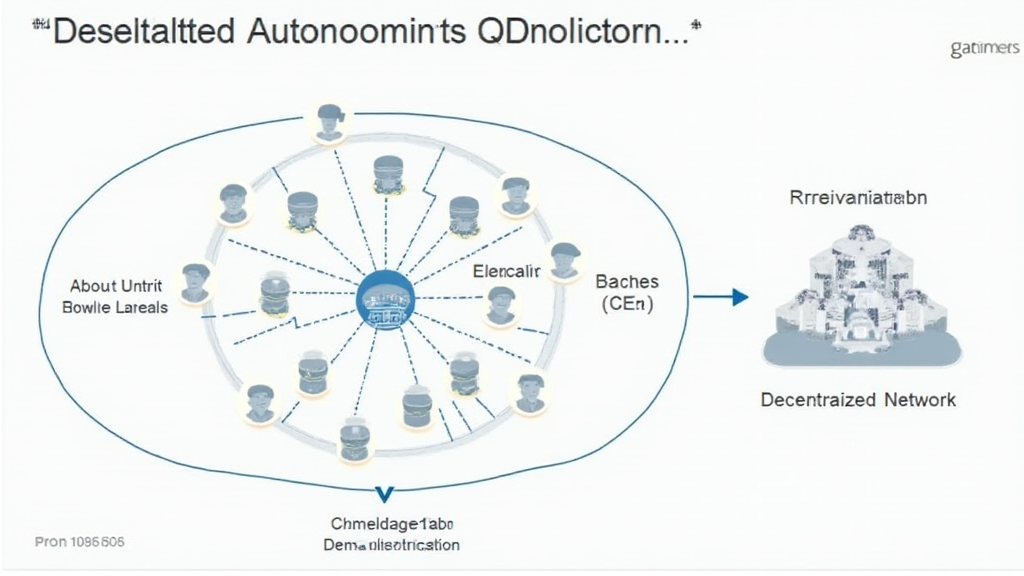
A DAO is an organization represented by rules encoded as a computer program that is transparent, controlled by organization members and not influenced by a central government. It operates on a blockchain, allowing for automated decision-making through smart contracts. The basic premise of a DAO is to ensure that members can vote on key decisions affecting the organization.
The Core Components of DAOs
- Smart Contracts: These are self-executing contracts with the terms of the agreement directly written into code.
- Tokenomics: DAOs often issue tokens that grant voting rights and access to resources within the organization.
- Governance Structures: Members typically have the ability to propose changes or vote on initiatives, creating a decentralized governance model.
Benefits of Implementing DAOs
DAOs can offer several advantages over traditional organizational structures:
- Transparency: Every decision and transaction is recorded on the blockchain, making it impossible to tamper with.
- Decentralization: No single party has control, ensuring that decisions are made democratically.
- Global Reach: Members from anywhere in the world can participate, promoting inclusivity and diversity.
Challenges Faced by DAOs
Despite their potential, DAOs are not without challenges:
- Legal Recognition: Many jurisdictions do not recognize the legal status of DAOs, complicating compliance.
- Security Risks: Like all blockchain projects, DAOs can be susceptible to hacks and vulnerabilities (e.g., in governance token contracts).
Real-World Examples of Successful DAOs
Several prominent DAOs have successfully implemented this model:
- MakerDAO: A credit platform that allows users to create a stablecoin backed by collateral.
- Aragon: Tools for creating and managing decentralized organizations.
- LAO: A funding vehicle for Ethereum projects.
Conclusion: The Future of Governance Through DAOs
Decentralized Autonomous Organizations represent a significant shift in how organizations can be governed. With advancements in blockchain technology, DAOs are poised to play a crucial role in managing funds and executing decisions without centralized control. As we look towards 2025, the potential for DAOs to reshape governance structures in both the crypto realm and traditional economies is immense. The focus on security, compliance, and user engagement is essential as these organizations mature and become mainstream.
This article on DAOs serves as just a glimpse into the multitude of facets that impact decentralized governance in the blockchain ecosystem. If you’re interested in the future of decentralized technologies, be sure to keep an eye on how DAOs evolve in response to challenges and opportunities.
For more insightful articles like this one, visit thewoodcoin.


