


Crypto Algorithmic Stablecoins: The Future of Digital Currency Stabilization
With $4.1 billion lost to DeFi hacks in 2024, the demand for stability in digital currencies has never been higher. Crypto algorithmic stablecoins represent a significant step towards achieving this much-needed stability. In this article, we will explore how these innovative financial instruments operate, their benefits, and their potential implications for the global economy, especially in emerging markets like Vietnam.
Understanding Crypto Algorithmic Stablecoins
Crypto algorithmic stablecoins are designed to maintain a stable value without being backed by traditional assets like fiat currencies or commodities. Instead, they rely on complex algorithms and smart contracts. Here’s a breakdown of their components:
- Price Stability: These stablecoins use various mechanisms to adjust supply dynamically in response to demand changes, simulating central bank activities.
- Decentralization: Most algorithmic stablecoins aim to reduce reliance on central authorities, embodying the ethos of cryptocurrency.
- Market Reactions: The algorithms react to market fluctuations, managing supply to keep the stablecoin’s price pegged to a specific value.
For example, if the price of an algorithmic stablecoin rises above its target value, the algorithm may mint additional tokens to increase supply and bring the price back down. Conversely, if the price drops, the algorithm might implement buyback mechanisms or destroy existing tokens to reduce supply.
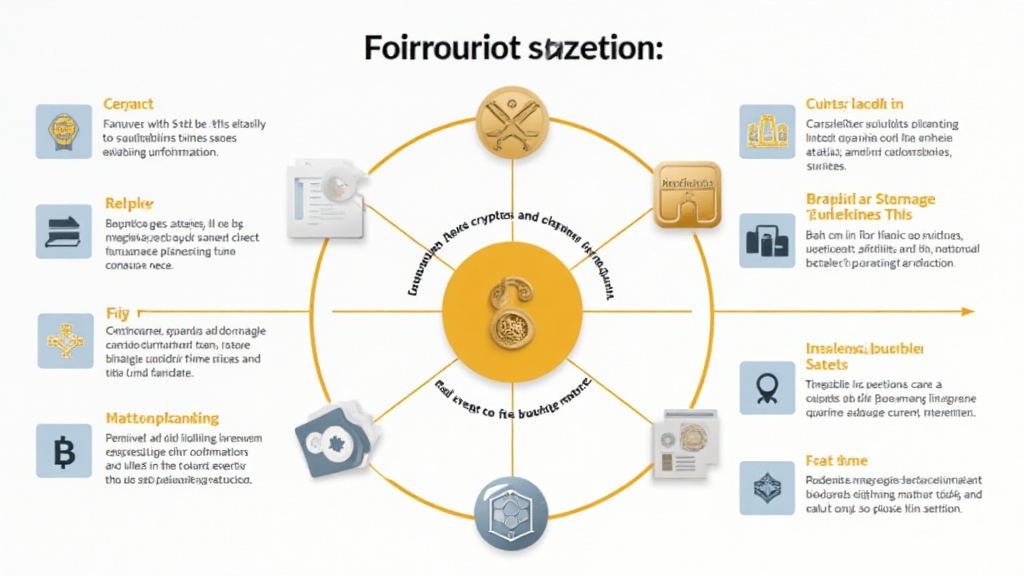
The Mechanisms Behind the Stability
To truly grasp the power of crypto algorithmic stablecoins, we need to examine their operational mechanics:
- Bidding Process: Some stablecoins employ a bidding process for users to buy or redeem their coins, effectively managing the circulating supply.
- Governance Tokens: Holders of governance tokens can vote on changes to algorithms or token economics, making the system more adaptive.
- Liquidity Pools: Integration with decentralized exchanges helps maintain liquidity and stabilize prices further.
Comparing Algorithmic and Fiat-Backed Stablecoins
While traditional fiat-backed stablecoins like USDT or USDC hold reserves in fiat currency, crypto algorithmic stablecoins rely on autonomous systems. Here’s how they stack up against each other:
| Feature | Fiat-Backed Stablecoins | Algorithmic Stablecoins |
|---|---|---|
| Stability Mechanism | Asset Reserves | Algorithmic Supply Control |
| Decentralization | Moderate | High |
| Regulatory Compliance | Strong | Variable |
As illustrated, while fiat-backed alternative offers strong regulatory compliance, algorithmic options provide enhanced decentralization, which could appeal to a broader audience in the crypto space.
The Vietnamese Market for Crypto Algorithmic Stablecoins
In Vietnam, blockchain technology adoption is growing at an exponential rate. With a 38% increase in the number of crypto users year-on-year, the Vietnamese populace is keen to explore innovative financial solutions. As such, the introduction of tiêu chuẩn an ninh blockchain may be critical:
- Increased Financial Inclusion: Algorithmic stablecoins can offer decentralized financial services to the unbanked population in Vietnam.
- Investment Opportunities: With growing interest in cryptocurrency, algorithmic stablecoins could attract investors looking for stable returns.
- Cross-border Transactions: These stablecoins can facilitate cheaper and quicker remittances, crucial for a country with significant expatriate populations.
Risks Associated with Crypto Algorithmic Stablecoins
Despite their advantages, crypto algorithmic stablecoins come with certain risks:
- Market Volatility: The algorithms might struggle during extreme market conditions, failing to maintain price stability.
- Smart Contract Vulnerabilities: Bugs in the code can lead to significant financial losses.
- Lack of Regulation: Uncertainty in the regulatory landscape could pose risks for users.
The Future of Algorithmic Stablecoins
The landscape of crypto is evolving rapidly, and algorithmic stablecoins will play a pivotal role in the decentralized finance (DeFi) space. Innovations and advancements in technology can enhance their reliability and functionality:
- Integration of AI: Leveraging artificial intelligence for smarter and more adaptive algorithms.
- Enhanced Governance Models: Introducing sophisticated governance models that incorporate user feedback.
- Regulatory Clarity: As governments begin to understand and legislate these assets, clearer frameworks can bolster user trust.
As we look forward to 2025, crypto algorithmic stablecoins could very well emerge as a cornerstone of the digital economy, particularly in markets that demand flexibility and innovation.
Conclusion: In conclusion, crypto algorithmic stablecoins represent a groundbreaking step towards stabilizing the cryptocurrency landscape by leveraging technology to address inherent volatility. Their decentralized nature makes them attractive to modern investors and everyday users alike. With the increasing penetration of blockchain technology in markets like Vietnam, understanding and applying these innovations will be crucial for both users and regulators alike. For more insights into digital currencies, visit thewoodcoin.
Author: Dr. Hà Nguyễn, a financial technology expert with numerous published articles on blockchain innovations and experience overseeing high-profile audits of decentralized applications.


