

Introduction to Blockchain in Healthcare
With the healthcare industry facing challenges around patient data security and accessibility, blockchain technology has emerged as a promising solution. In 2022 alone, data breaches in the healthcare sector rose by 25%, affecting millions of patients’ records. This alarming trend emphasizes the need for robust solutions. Blockchain healthcare data systems offer a decentralized and secure way to manage patient information, making it less vulnerable to hacks and unauthorized access.
The Fundamentals of Blockchain Technology
Blockchain technology is a distributed ledger that securely records transactions across multiple computers, ensuring that the data cannot be altered retroactively without network consensus. Here’s what makes blockchain particularly valuable in healthcare:
- Security: Each transaction is encrypted and linked to the previous one, creating an immutable record.
- Transparency: All network participants can view the same data, improving accountability.
- Accessibility: Patients can control their own data and grant access to healthcare providers as needed.
The Benefits of Using Blockchain in Healthcare Data Management
Implementing blockchain in healthcare data management presents several advantages:
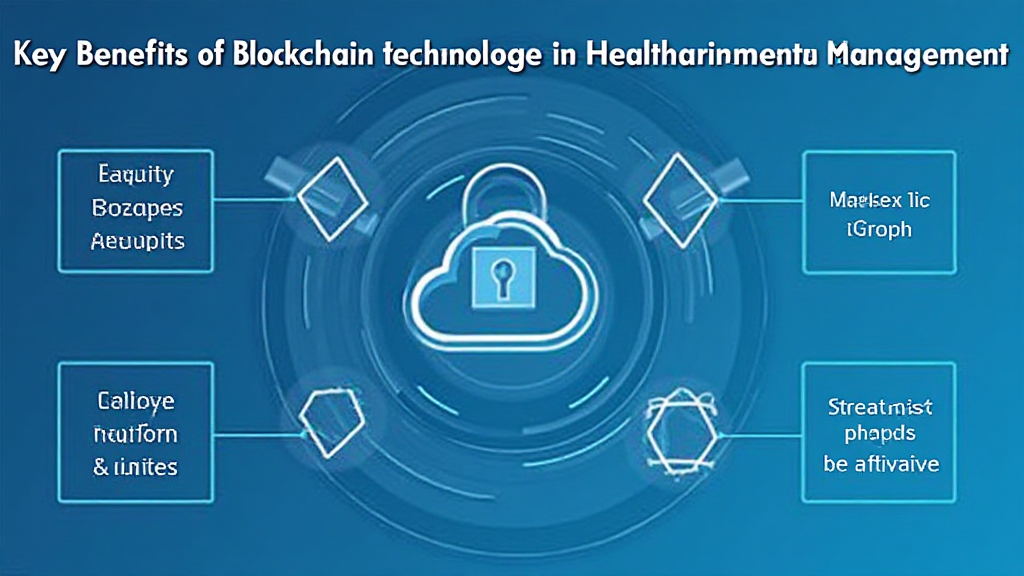
- Improved Patient Privacy: Patients can manage who sees their data, aligning with privacy regulations like HIPAA.
- Streamlined Operations: Decentralized systems reduce administrative burdens and speed up processes.
- Interoperability: Different systems can communicate easily, resulting in better patient care.
Case Studies: Successful Implementations
Several organizations are already leveraging blockchain technology to enhance healthcare data management:
- MedRec: A project by MIT, it utilizes blockchain to store health records and ensures that patients have control over their data.
- Guardtime: Implemented a blockchain solution that aids in the management of health data, demonstrating enhanced security.
- Chronicled: This supply chain platform focuses on pharmaceuticals, ensuring the security and authenticity of drug shipments.
Challenges and Considerations
While the potential of blockchain in healthcare is vast, there remain challenges:
- Regulatory Hurdles: Different countries have varied regulations regarding data sharing and patient privacy.
- Integration Issues: Existing systems using legacy technology may face compatibility challenges with new blockchain solutions.
- Scalability: As more users adopt blockchain solutions, ensuring scalability without compromising performance is vital.
Looking Ahead: The Future of Blockchain in Healthcare
The healthcare sector is projected to continue growing in its adoption of blockchain, particularly in areas like telemedicine and electronic health records. According to a report from Market Research Future, the blockchain in healthcare market is expected to reach $1.2 billion by 2025. As healthcare providers and technology companies collaborate to enhance patient care, it will be essential to maintain patient trust through transparency and security practices.
Conclusion: Embracing Blockchain for Better Healthcare Outcomes
The integration of blockchain technology in healthcare data management promises to transform the industry’s approach to patient safety and data privacy. As we look forward, the need for secure, efficient systems will only grow. By embracing blockchain healthcare data solutions, the industry can protect both the health and privacy of patients, paving the way for innovative care solutions tailored to individual needs. The bottom line is clear: blockchain technology could serve as a vital tool in securing patient data, reducing fraud, and streamlining healthcare operations.
To learn more about integrating blockchain healthcare data, visit hibt.com.


