

Ensuring Trust: Blockchain Food Traceability
In a world where consumers are increasingly concerned about the origin of their food, the question arises: how can we ensure the safety and authenticity of what we eat? With recent reports indicating that $4.1 billion was lost to food fraud globally in 2024, the need for a robust solution has never been clearer. Enter blockchain food traceability—an innovative approach that promises to transform the food supply chain. This article will delve into the significance of blockchain in food traceability, its impact on the industry, and how it can reshape our food systems.
The State of Food Safety Today
The food industry faces numerous challenges, from contamination to mislabeling. According to a report from the Food Safety and Inspection Service (FSIS), around 48 million people get sick from foodborne illnesses in the U.S. alone every year. The economic burden of these illnesses is estimated at $15.6 billion annually. Let’s break this down:
- Food fraud and mislabeling rates are on the rise.
- Recall events often happen late, leaving consumers at risk.
- Transparency in sourcing remains a huge concern.
This scenario highlights the urgent need for improved traceability. Blockchain food traceability offers a clear solution to these pressing issues.
What is Blockchain Food Traceability?
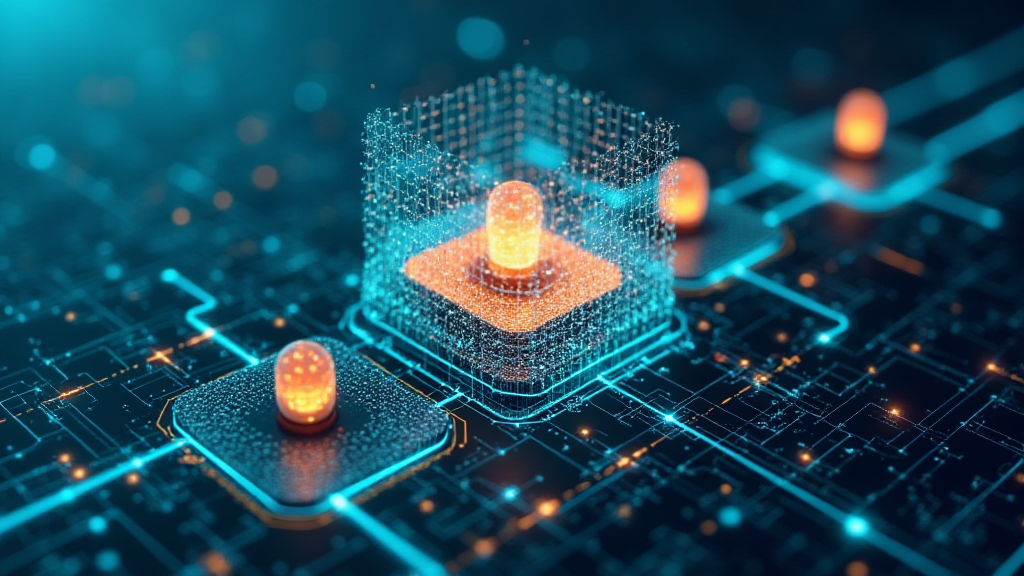
Blockchain food traceability refers to the use of blockchain technology to record and verify the journey of food products from farm to table. By employing a decentralized ledger, all stakeholders—from farmers and processors to retailers and consumers—gain access to real-time data about the product lifecycle.
The Science Behind the Technology
Here’s the catch: each transaction along the food supply chain is documented on a blockchain, ensuring that any alteration attempts can be easily spotted and addressed. This level of transparency is akin to having a bank vault for digital assets, where every transaction is immutably recorded.
- Farmers log data about the crop or livestock.
- Processors input details about production and handling.
- Retailers record sales transactions.
- Consumers can trace their food back to the original source.
This documentation serves two primary purposes: improving food safety and boosting consumer trust.
Benefits of Blockchain Food Traceability
Implementing blockchain technology in food traceability offers multiple benefits:
- Enhanced Transparency: Consumers can view the entire journey of their food, from farm to fork.
- Faster Recalls: In case of contamination, affected products can be quickly identified and removed from shelves.
- Lower Fraud Rates: Blockchain acts as a secure record, reducing the risk of food fraud.
- Supply Chain Efficiency: Increased visibility leads to better inventory management and reduced waste.
The Role of Smart Contracts
In addition to tracking food provenance, blockchain technology also utilizes smart contracts to automate processes and enhance trust. Let’s break it down:
- Automatic Payments: Growers can receive instant payments once their product reaches the retailer.
- Quality Assurance: Smart contracts can include quality metrics; if they are not met, the contract can automatically void.
By leveraging smart contracts, stakeholders can minimize disputes and streamline transactions.
Challenges and Limitations
While the benefits are compelling, the implementation of blockchain food traceability is not without its challenges.
- Integration Issues: Existing systems may need significant changes to accommodate blockchain technology.
- Data Accuracy: Incorrect data entry can lead to misinformation along the supply chain.
- Regulatory Frameworks: Compliance regulations in various regions can complicate blockchain adoption.
Thus, thorough planning and close collaboration among stakeholders are crucial for successful implementation.
Case Study: Blockchain Implementation in Vietnam
Vietnam is at the forefront of embracing blockchain technology in food traceability. The country’s users have shown a remarkable growth rate of over 50% in blockchain application in 2024, with numerous pilot projects underway. In one notable instance, a Vietnamese fishery implemented blockchain tracking, successfully reducing time spent verifying supply chain authenticity by 80%. Here’s how:
- Farmers added detailed reports of fish catches to the blockchain.
- Processing plants recorded handling and processing steps.
- Retailers accessed real-time alerts about batch quality and traceability.
This innovation has not only minimized fraud but has also increased the trust of international buyers in Vietnamese seafood.
Future Trends in Blockchain Food Traceability
As consumers demand better transparency and accountability, we can expect significant advancements in the field of blockchain food traceability. Industry experts predict:
- Increased Adoption by Large Corporations: Major brands are likely to adopt blockchain to enhance brand loyalty and trust.
- Integration with IoT Devices: IoT sensor data can feed into the blockchain, further increasing the reliability of traceability.
- Global Collaboration: Countries may work together to standardize blockchain protocols for food traceability.
The future looks promising for blockchain technology in the food supply chain.
Conclusion: Building Trust in Our Food Systems
Blockchain food traceability represents a revolutionary shift in how we manage food safety and authenticity. By offering a transparent and secure method of tracking food products, it addresses many of the critical challenges currently facing the food industry. As the technology matures, its potential to reshape food safety and bolster consumer confidence will be invaluable. Not only can we foresee a reduction in food fraud, but also a stronger bond between producers and consumers, leading to a more sustainable future.
For more insights on blockchain technology and its applications, including comprehensive analyses on Vietnamese market dynamics and security measures (tiêu chuẩn an ninh blockchain), visit thewoodcoin.
Dr. Alex Chen, a leading expert in blockchain technology, has authored over 30 papers in the field and has managed audits for various well-known projects globally.


