


From DeFi to RealFi: How RWA Changes On
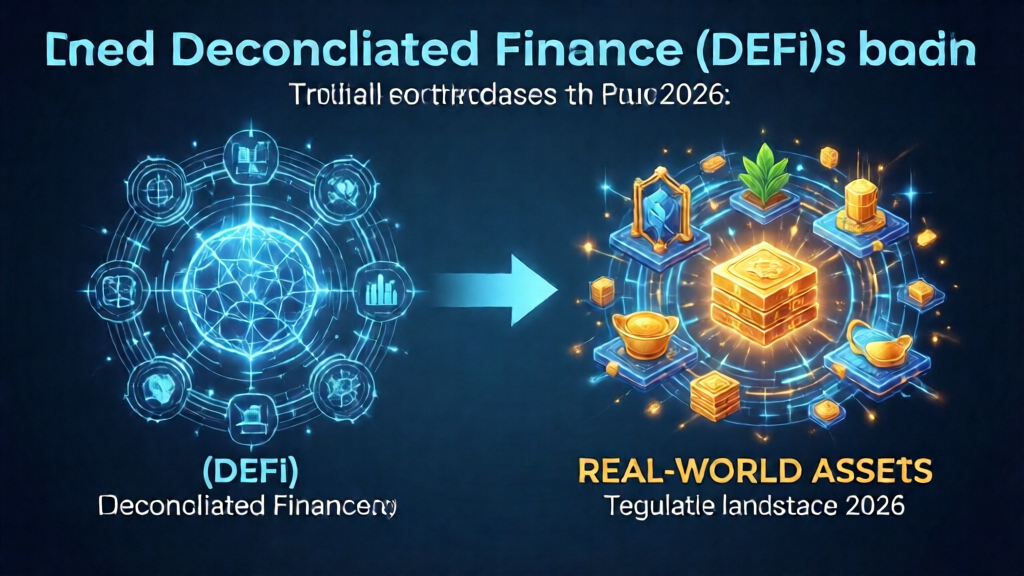
In the fast-evolving landscape of decentralized finance (DeFi), the focus is progressively shifting towards real-world assets (RWA). This transition necessitates a meticulous re–examination of valuation logic, emphasizing the need for sound auditing practices and tangible asset backing.
The Asset Audit e Insight Box>Risk lies in the misalignment between token valuation and underlying asset performance. e Insight Box>
A robust legal structure is imperative for any RWA project. Special Purpose Vehicles (SPV) are commonly employed to provide a clear legal framework ensuring the assets’ legitimacy. Furthermore, custodial services must be highlighted, as they serve to bridge the gap between digital tokens and their physical counterparts. Utilization of satellite imaging and IoT devices allows for real-time monitoring of the underlying forestry assets, thus enhancing accountability and transparency.
The Math of Growth e Insight Box>Yield calculation must account for biological growth rates and token supply dynamics. e Insight Box>
Based on the biological growth model, let’s consider the annual growth rate of timber. If a forestry asset grows at 3% annually, one must factor in the token’s deflationary pressure. Therefore, the actual yield (Y) can be computed using:
Y = (Asset Growth Rate – Token Inflation Rate) * Initial Investment
This equation highlights how the asset’s intrinsic value is influenced by biological growth while also considering the market adjustments prompted by tokenomics.
Comparison Matrix e Insight Box>Asset characteristics vary significantly, impacting investment quality. e Insight Box>
Project
Asset Authenticity
Jurisdictional Authority
Liquidity Depth
Oracle Mechanism
Project A
Verified third-party audits
EU Compliant
High
Monthly updates
Project B
Provisional certification
Singaporean regulations
Medium
Quarterly reviews
Project C
Unverified
Unclear jurisdiction
Low
Annual assessments
Project D
Tokenized assets with audits
Hong Kong compliant
High
Bi-weekly data
e>
Regulatory Landscape e Insight Box>Compliance presents both challenges and opportunities in various jurisdictions. e Insight Box>
The evolving regulatory landscape, particularly with initiatives like MiCA 2.0 slated for implementation in 2026, signifies a turning point for RWA. Jurisdictions such as Singapore and Hong Kong are establishing thresholds that projects must meet. Compliance not only ensures legitimacy but also enhances investor confidence, directly impacting asset liquidity.
Exit Liquidity Analysis e Insight Box>Market conditions during a sell-off can drastically affect asset liquidation times. e Insight Box>
In times of distress, the exit liquidity of underlying assets becomes a major concern. When large investors decide to liquidate, the ability to convert those assets into cash quickly is paramount. Typically, forestry assets maintain a conversion cycle that can be prolonged. The actual time frame hinges on market conditions, the asset’s liquidity depth, and jurisdictional constraints.
2026 Edge e Insight Box>Adoption of ERC-3643 may facilitate better asset management and investor security. e Insight Box>
As we approach 2026, the implementation of standards like ERC-3643 will enhance the management of permissions and roles within RWA ecosystems. This framework bolsters both security and auditability, which are crucial for investor trust in a world where market volatility is rampant.
In conclusion, the journey from DeFi to RealFi through RWA not only necessitates a pragmatic approach toward valuation but also underscores the importance of a solid foundation built on regulatory compliance, asset authenticity, and effective liquidity strategies.


