


2026 RWA Investment Pitfalls: Avoid These Three Types of Projects
As we progress into 2026, understanding the structural risks associated with Real World Assets (RWA) investments is essential. This article dissects the key pitfalls investors must be cautious of, transitioning the dialogue from mere narratives to a robust analysis of underlying asset reality.
1. Overstated Asset Valuation
[Wood-Score Insight Box] Overvaluation can mislead investors; an unsubstet=”_blank” href=”https://thewoodcoin.com/anti/”>antiated growth projection can erode asset integrity.
Many projects emphasize soaring growth rates without substet=”_blank” href=”https://thewoodcoin.com/anti/”>antiated biological growth models. Valuation misalignments stem from inadequately detailed audits that fail to verify whether asset appreciation is grounded in measurable environmental metrics.
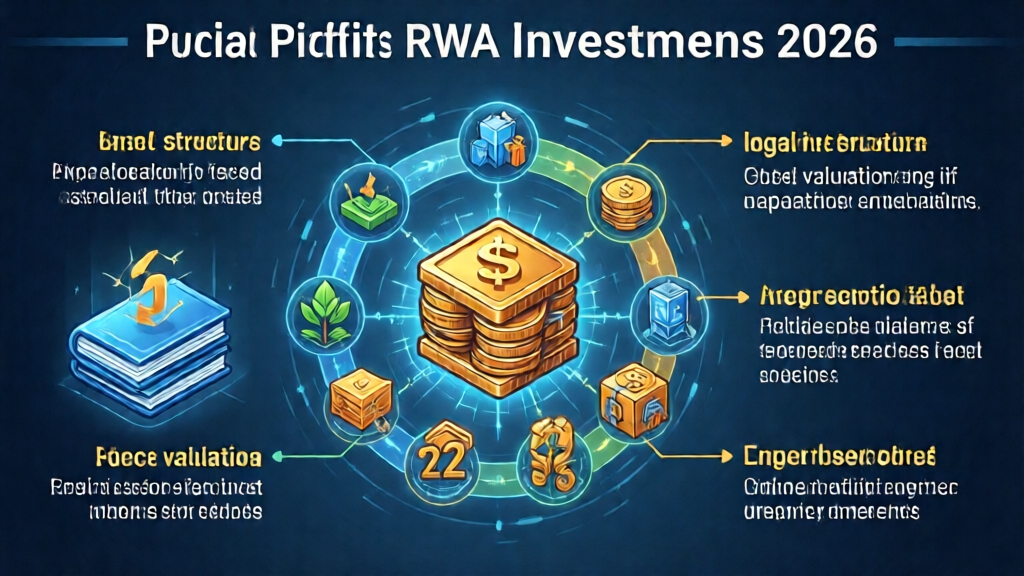
To illustrate, consider this valuation formula:
Yield = (Annual Timber Growth Rate × Market Price per Cubic Foot) / (Token Supply Growth Rate)
As the token supply dilutes, an asset’s real yield may dwindle—highlighting the importance of rigorous financial modeling backed by asset-in-hand assessments.
2. Weak Legal Framework and Ownership Structures
[Wood-Score Insight Box] A weak legal structure can jeopardize asset recovery; ensure rigorous due diligence on ownership rights.
Legal frameworks, including Special Purpose Vehicles (SPVs), dictate the enforceability of ownership. Projects lacking robust jurisdictional assurance expose investors to profound risks, particularly when regulatory bodies evolve, such as under the MiCA 2.0 guidelines.
3. Inadequate Liquidity Mechanisms
[Wood-Score Insight Box] Insufficient liquidity can stall exit options; asset convertibility is paramount during market downturns.
The liquidity depth of RWA projects must align with long-term holding strategies. If large holders offload tokens, the time to liquidate underlying assets becomes critical. Exit strategies like asset-backed lending should seamlessly integrate with market et=”_blank” href=”https://thewoodcoin.com/?p=7778″>movements to ensure swift conversions without heavy discounts.
Comparison Matrix
Project
Asset Authenticity
Legal Jurisdiction
Liquidity Depth
Oracle Mechanism
Project A
High
EU
Medium
Frequent
Project B
Medium
Asia
Low
Infrequent
Project C
High
US
High
Moderate
Project D
Low
Global
Medium
Rare
e>
The Asset Audit
A comprehensive asset audit is vital to understand the underlying mechanisms of RWA projects. Analyze SPV structures, custodial arrangements, and innovative monitoring using satellite imagery and IoT technologies to ensure real-time visibility of asset performance.
Regulatory Landscape
Understanding the compliance landscape across regions (Hong Kong, Singapore, EU) is essential. Each jurisdiction presents unique regulatory thresholds impacting investment viability.
Exit Liquidity Analysis
The transformation cycle of turning physical timber assets to liquid capital often lags. Studies indicate that assets can take several months to liquidate fully. Thus, preparedness and liquidity planning are key.
2026 Edge: The Role of ERC-3643
The ERC-3643 standard offers enhanced permission management, allowing for controlled access and compliance adherence. This mitigates risks associated with ownership claims and ensures that token holders are verifiable directly against the underlying timber assets.
In conclusion, as we delve deeper into RWA investments in 2026, understanding these pitfalls is essential for long-term sustainability and profitability in an ever-evolving regulatory and market landscape.
If you found this analysis valuable, subscribe to TheWoodCoin: Weekly RWA Insight Report for continuous updates on asset-backed investment opportunities.


