


Introduction
In an age where traditional finance faces numerous challenges, decentralized finance (DeFi) presents an innovative solution with its lending protocols. In 2024 alone, $4.1 billion was reportedly lost to DeFi hacks, raising questions about the security and reliability of these platforms. However, with the right understanding of how DeFi lending protocols work, investors can navigate these waters safely and effectively. This article aims to explain these protocols, their benefits, risks, and the future of lending in the growing world of cryptocurrency.
What Are DeFi Lending Protocols?
At their core, DeFi lending protocols allow users to lend and borrow cryptocurrencies without intermediaries. This decentralized model is akin to peer-to-peer lending in the traditional finance sector but with enhanced transparency, security, and efficiency.
These protocols operate on blockchain networks, utilizing smart contracts to automate the lending process. Some of the most recognized lending platforms include Aave, Compound, and MakerDAO. According to a report by DeFi Pulse, the total value locked (TVL) in DeFi lending protocols reached approximately $12 billion in early 2024, signifying substantial growth.
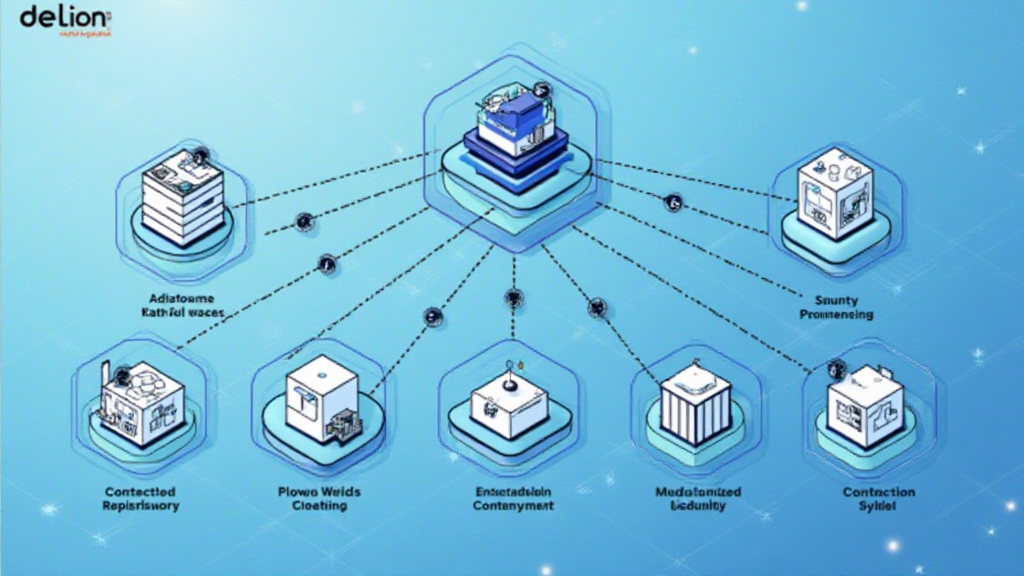
One of the key advantages of these protocols is the interest rates they offer. Typically, DeFi lending rates can vary significantly based on demand and supply dynamics. Here’s a quick breakdown:
- Competitive Interest Rates: Often higher than those offered by traditional banks.
- Decentralization: Reduced reliance on centralized financial institutions.
- Global Access: Anyone with internet access can participate.
How Do DeFi Lending Protocols Work?
Understanding the mechanics behind DeFi lending protocols is crucial for their successful utilization. Here’s how they operate:
Smart Contracts
Smart contracts are self-executing contracts with the terms directly written into code. These contracts automate the lending process, ensuring funds are transferred and managed without human intervention. They also enable instant transactions, significantly reducing delays commonly associated with traditional banking.
Collateralization
Most lending protocols require borrowers to put down collateral – typically more than the amount they wish to borrow. This over-collateralization is designed to mitigate risks in case the borrower’s asset value decreases, protecting the lenders. For example, if you want to borrow $100 worth of Ethereum, you might need to deposit $150 worth.
Interest Rates and Rewards
Interest rates in DeFi lending can fluctuate based on the supply and demand for the cryptocurrencies in question. Users lend their assets to liquidity pools, and in return, they earn interest. This can be a strong incentive for crypto investors, particularly in rapidly growing markets like Vietnam, where user adoption rates have skyrocketed, rising by over 300% in the past year.
Benefits of DeFi Lending Protocols
DeFi lending protocols offer numerous advantages:
- Accessibility: Users do not need a bank account. As long as they have a crypto wallet and internet access, they can participate.
- Transparent Processes: All transactions are recorded on blockchain, providing a transparent ledger.
- Control Over Assets: Users retain control of their funds rather than entrusting them to banks.
- Flexible Terms: Borrowers can set their terms, including loan amounts and repayment schedules.
Risks Associated with DeFi Lending Protocols
Despite the benefits, there are inherent risks to consider:
Smart Contract Vulnerabilities
While smart contracts automate processes efficiently, bugs or vulnerabilities in the contract code can lead to significant losses. It’s essential to engage in thorough audits before investing. As noted in a report by Hibt.com, over 50% of DeFi hacks are attributed to smart contract flaws.
Market Volatility
Cryptocurrency markets are notoriously volatile. The rapid fluctuation in prices poses risks for collateralized loans, as the value of collateral may drop suddenly, risking liquidation.
Regulatory and Compliance Risks
Different countries are approaching DeFi regulation differently. Users must stay updated on local laws, particularly for regions with strict compliance measures. For instance, Vietnam is taking steps towards clearer regulations around cryptocurrency trading and lending.
Future of DeFi Lending Protocols
The future of DeFi lending protocols looks promising. With technological advancements and increasing adoption rates, several trends are emerging:
Integration with Traditional Finance
As DeFi lending protocols mature, there’s a potential for collaboration with traditional financial institutions, creating hybrid models that leverage the strengths of both systems. Already, some banks are exploring ways to integrate DeFi technologies into their services.
Enhanced Security Solutions
To address security issues, new protocols focusing on enhanced auditing processes and improving smart contract security are being developed. Cybersecurity is a primary concern for DeFi platforms.
Broader Adoption
As DeFi lending systems offer more flexible and user-friendly options, we can anticipate that user adoption in emerging markets, especially in areas like Vietnam, will continue to rise.
Conclusion
DeFi lending protocols represent a significant leap forward in how we think about lending and borrowing. By eliminating intermediaries, enhancing transparency, and offering competitive rates, they threaten the status quo of traditional finance. However, as with any investment, it’s crucial to conduct thorough research and understand the risks involved. For those willing to navigate this learning curve, the future holds considerable promise.
For additional resources on crypto regulations in Vietnam, visit Hibt.com. And remember, while DeFi offers exciting opportunities, it’s important to remain cautious and consult with local regulators to ensure compliance with any regulations.
As we look towards the future of finance, the potential of DeFi lending protocols is clear – it’s an evolution of lending that thrives on technology and user empowerment.


