


Web3 Authentication: The Future of Secure Digital Identity
With over $4.1B lost to decentralized finance (DeFi) hacks in 2024, the demand for enhanced security measures in the cryptocurrency landscape has never been more urgent. As the digital economy continues to evolve, Web3 authentication emerges as a critical element in safeguarding user identities and assets within decentralized networks. This article dives deep into the importance of Web3 authentication, best practices, and its implications for stakeholders across the crypto ecosystem.
The Significance of Web3 Authentication
Web3 authentication represents a fundamental shift from conventional authentication methods towards decentralized and user-centric approaches. Here’s why it matters:
- User Control: In Web3, users have full ownership of their data, which diminishes reliance on centralized authorities.
- Enhanced Security: Web3 authentication methods, such as decentralized identities (DIDs), reduce hacking risks inherent in legacy systems.
- Interoperability: ID frameworks enable seamless interaction across different platforms and protocols.
Understanding Decentralized Identity
Decentralized identity allows users to manage their identities without intermediary institutions. Traditional systems might leave your data vulnerable, similar to having your bank account details exposed. In contrast, a decentralized solution is akin to having a safe deposit box for your digital credentials.
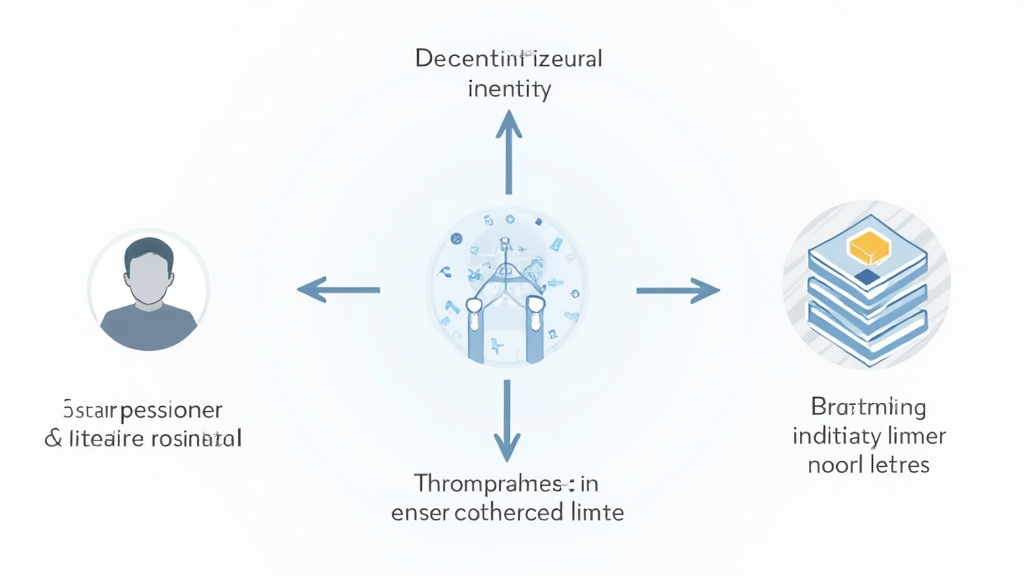
Real-World Applications of Web3 Authentication
Many projects across the globe are integrating Web3 authentication:
- Access Control: Blockchain-based applications can use Web3 authentication for secure and exclusive access to decentralized apps (dApps).
- Supply Chain Traceability: In industries like agriculture, verified identities help trace product origins safely.
- Social Media Platforms: Projects like Lens Protocol use decentralized identifiers for user verification, enhancing privacy and ownership.
Key Components of Web3 Authentication
Understanding the essential elements of Web3 authentication is vital for developers and users alike:
1. Public-Key Infrastructure (PKI)
PKI is a cornerstone that enables secure communication through cryptographic keys. Users hold private keys, which serve as their digital signature.
2. Non-Fungible Tokens (NFTs) and Credentials
NFTs can represent verified credentials, effectively acting as digital passports. For example, a university degree can be minted as an NFT, ensuring authenticity and helping prevent fraud.
3. Self-Sovereign Identity (SSI)
SSI allows users to manage their personal information independently. It can prevent data from being misused or exploited.
Challenges in Implementing Web3 Authentication
While Web3 authentication holds great promise, several challenges remain:
- Usability: Adopting decentralized systems requires a shift in user behavior and interface design.
- Regulatory Compliance: Navigating the evolving regulatory landscape can be daunting for projects.
- Scalability: Ensuring that decentralized networks can scale while maintaining security is a critical consideration.
The Role of Education in Web3 Authentication
Enhancing public understanding is vital for the adoption of Web3 authentication. As users become better informed, they can leverage these technologies to improve their security. Educational programs should focus on:
- Workshops on using decentralized wallets effectively
- Tutorials on creating and managing digital identities
The Future of Web3 Authentication
As we progress to 2025, the landscape will grow increasingly competitive. A report by Chainalysis predicts exponential growth in cryptocurrency users, particularly in regions like Vietnam, with a user growth rate of 25% expected through 2025. Web3 authentication will be pivotal in addressing security concerns that accompany this surge. Not adopting Web3 methods may lead businesses to experience significant user trust deficits.
Final Words: Navigating the New Digital Frontier
Web3 authentication represents a transformative leap towards a secure digital identity in the rapidly evolving crypto environment. By focusing on the advantages and learning from the challenges, stakeholders can better prepare for a decentralized future. The effort to implement Web3 standards may seem daunting, but taking actionable steps today is crucial for tomorrow’s security.
Secure your digital assets with confidence! As the Web3 ecosystem flourishes, making informed decisions will be more significant than ever.
About the Author
Dr. Alex Nguyen is a recognized blockchain security expert with over 15 published papers on decentralized identity and has led audits for multiple high-profile crypto projects.


