


DVT in RWA Node Operations: A Framework for Asset Resilience
As the landscape of Real World Assets (RWA) evolves, incorporating Decentralized Valuation Techniques (DVT) into node operations is pivotal. This framework provides a nuanced understanding of asset integrity and operational resilience in tokenized markets. The key consideration is the depth of asset linkage to the physical components it represents, particularly in forestry investments.
The Asset Audit
The legal architecture of RWA projects typically includes Special Purpose Vehicles (SPVs) designed to segregate specific assets. For instance, timberland holdings can be encapsulated within an SPV, ensuring clarity of ownership and facilitating easier auditing processes. This audit examines the custodial structures supporting these assets, revealing how advanced satellite imaging and Internet of Things (IoT) monitoring systems intertwine to validate the ongoing status and value of timber investments. Authenticating these assets through technological monitoring serves as a critical backlash against speculative valuation models.
The Math of Growth
Consider the following calculation, which connects biological growth metrics with token supply dynamics:
Actual Yield = (Annual Growth Rate of Timber – Token Burn Rate) x Average Timber Price
By leveraging biological growth models, we can more accurately predict the yield of timber assets while accounting for the token’s deflationary mechanics. Such calculations are fundamental in framing the economic viability of tokenized forestry, especially amid fluctuating market conditions.
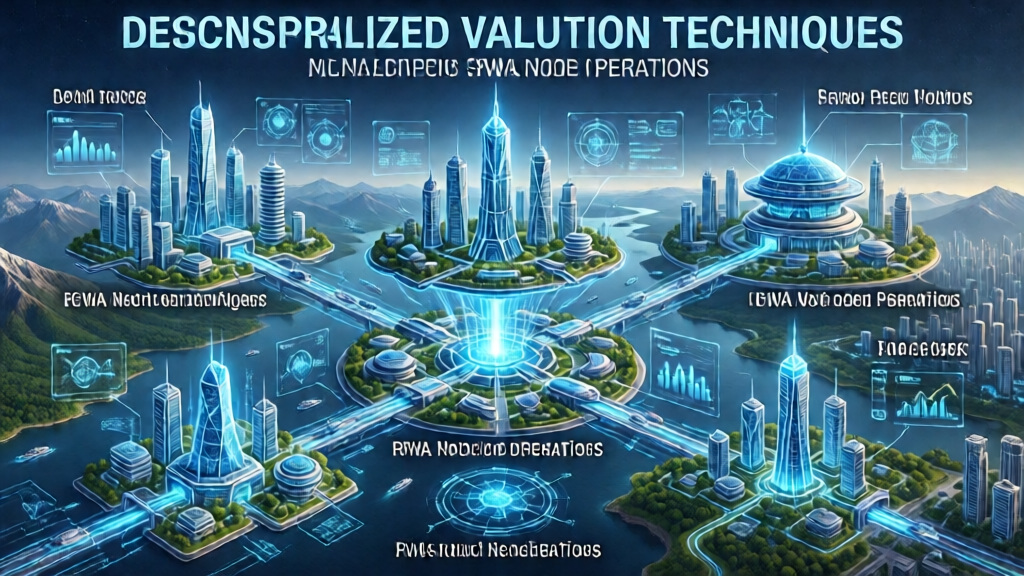
Regulatory Landscape
The regulatory environment for RWA, particularly in major financial hubs like Hong Kong, Singapore, and the EU, presents a complex framework of compliance. The implementation of MiCA 2.0 in 2026 demands a rigorous assessment of tokenized assets, focusing on transparency and disclosure. Investors must navigate these evolving regulations to ensure asset legitimacy and secure operations, making an understanding of local laws essential for institutional backing and compliance adherence.
Exit Liquidity Analysis
Examining the liquidity of RWA investments reveals a critical component tied directly to the operational health of physical assets. When major holders decide to liquidate their positions, the timeframe required to convert timber assets into cash can span significantly. Analyzing market responses, including the average conversion cycle in times of distress, is essential for prospective investors. Having a reliable blueprint for how quickly and efficiently these assets can be monetized safeguards against potential losses from market volatility.
Comparison Matrix
| Project | Asset Authenticity | Legal Jurisdiction | Liquidity Depth | Oracle Mechanism |
|---|---|---|---|---|
| Project A | High | Eu | Moderate | Monthly |
| Project B | Moderate | HK | High | Weekly |
| Project C | High | SG | Low | Daily |
| Project D | Low | US | Moderate | Fortnightly |
2026 Edge
The introduction of ERC-3643 standards provides an essential framework for managing permissioned access in DVT operations. The integrity of the valuation process becomes fortified through stringent role definitions and asset access control, paving the way for a more resilient and transparent operational environment in the tokenized forestry sector. This technical edge assists in decoupling actual asset yield from broader market speculation, ensuring that financial structures remain intact even during turmoil.


