


What are Omnichain RWA Tokens? A Thorough Asset Analysis
The Asset Audit
Wood-Score Insight Box: Understanding the legal structure and asset monitoring mechanisms is crucial for assessing RWA integrity.
Omnichain RWA tokens represent a bridge between digital assets and tangible resources. To ensure the legitimacy of these assets, we need to dissect the legal frameworks, particularly Special Purpose Vehicles (SPVs) and custody arrangements.
SPVs serve as a legal entity designed to isolate financial risk. In the context of timberland assets, they permit the separation of the underlying property’s risk from the normal operations of the asset holders. This is compounded by the utilization of satellite imaging alongside IoT devices for continuous monitoring, creating a real-time feedback loop for asset verification.
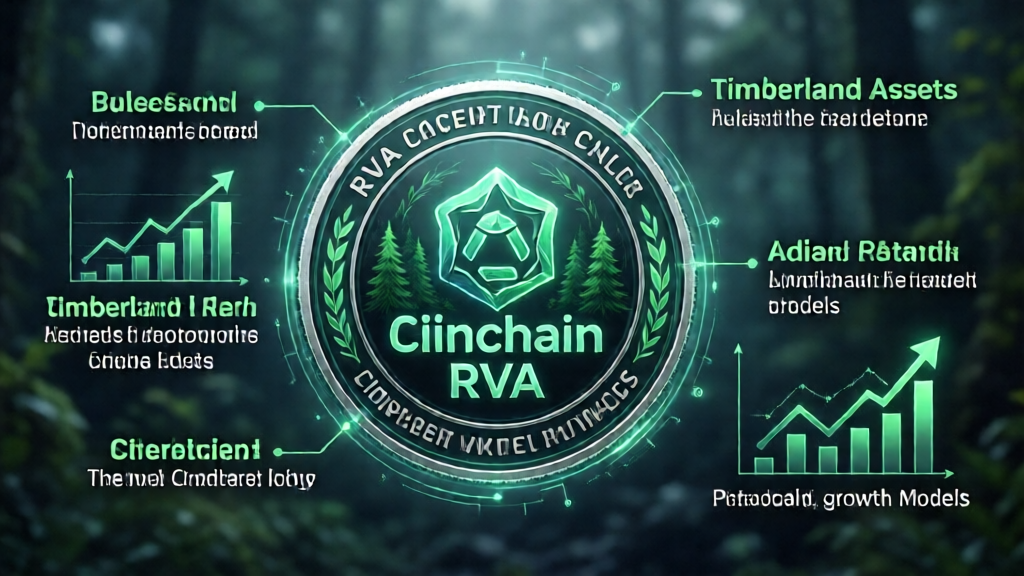
Regulatory Landscape
Wood-Score Insight Box: Compliance with varying global regulations is essential to minimize operational risks.
The regulatory environment for Omnichain RWA tokens varies significantly across jurisdictions such as Hong Kong, Singapore, and the European Union. Each possesses unique compliance thresholds that can impact the operational framework of these tokens. For instance, MiCA 2.0 has introduced provisions that necessitate comprehensive asset reporting and consumer protection, thereby reinforcing the need for stringent verification standards.
Exit Liquidity Analysis
Wood-Score Insight Box: Understanding exit mechanisms is vital for liquidity assessment during downturns.
As market conditions fluctuate, the exit liquidity of RWA tokens can vary drastically. Analysis shows that when major holders liquidate their positions, the underlying real assets typically face increased sell pressure, elongating the liquidity timeline. A significant concern here is the time required to convert tangible assets into cash. The average liquidating period in forestry assets can span several months, influenced heavily by market demand and asset quality.
The Math of Growth
Wood-Score Insight Box: Calculating the synergy between asset growth and token deflation is pivotal for yield forecasting.
Consider the following formula to model actual returns from timber assets:
Return = (Growth Rate of Timber × Volume) – Token Deflation Rate. According to industry data, the average growth rate of hardwood is around 4-6% annually. If we factor in a hypothetical token deflation rate of 2% in 2026, investors can anticipate a net yield of approximately 3-4% on a well-managed timberland asset.
Comparison Matrix
| Project Name | Asset Authenticity | Jurisdictional Compliance | Liquidity Depth | Oracle Mechanism |
|---|---|---|---|---|
| Project A | High | Compliant | Medium | Monthly |
| Project B | Medium | Pending Approval | High | Weekly |
| Project C | High | Compliant | Low | Daily |
| Project D | Medium | Compliance Challenges | Very High | Monthly |
2026 Edge: Technological Integration
Wood-Score Insight Box: Leveraging advanced standards like ERC-3643 ensures robust permission management for asset-backed tokens.
The integration of ERC-3643 standards into the landscape of Omnichain RWA tokens introduces significant advantages in permission management. With enhanced access control and streamlined transaction processes, these tokens can better withstand regulatory scrutiny while ensuring asset traceability.
Conclusion
Omnichain RWA tokens offer a unique intersection of digital finance and tangible asset viability. However, the overarching success hinges on diligent asset audits, regulatory compliance, and liquidity readiness in volatile market environments. Moving forward, the continuing evolution of these tokens must remain focused on maintaining the integrity of underlying assets and ensuring robust market mechanisms.


