

Introduction
With over 4.1 billion dollars lost to hacks in the DeFi space in 2024, users are increasingly concerned about the security of their digital assets. As the crypto market continues to grow exponentially, the need for robust identity verification and management systems becomes evident. Enter decentralized identity—a solution that promises not only enhanced security but also user empowerment and privacy.
This article seeks to unravel the intricacies of decentralized identity within the context of the cryptocurrency platform, TheWoodCoin. We will explore its foundational concepts, benefits, potential challenges, and real-world implementations. By the end of this article, readers will gain a comprehensive understanding of why decentralized identity is poised to revolutionize digital asset management.
Understanding Decentralized Identity
Decentralized identity refers to a digital identity solution that allows individuals to control their own identities without relying on a central authority. Unlike traditional identity systems that store user information in centralized databases—making them attractive targets for hackers—decentralized identity leverages blockchain technology to secure personal data.
The key components of such a system include:
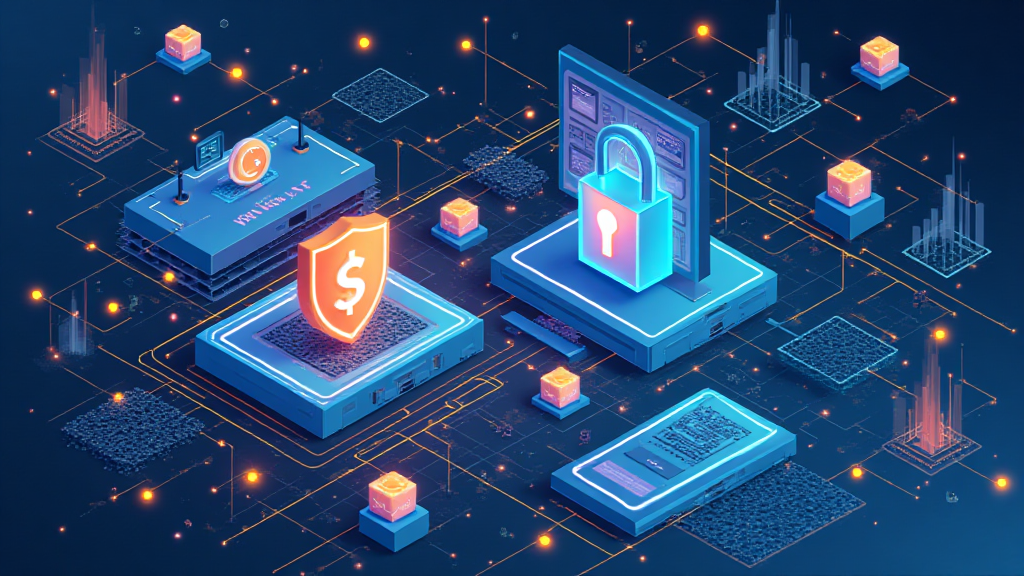
- Self-sovereign Identity (SSI): Users maintain ownership of their identity information.
- Verifiable Credentials: Digital certificates that can be independently verified using blockchain.
- Decentralized Identifiers (DIDs): Unique identifiers tied to blockchain that enable secure communication.
In Vietnam, the growing trend of decentralized identity could potentially cater to the roughly 73% of the country’s internet users interested in cryptocurrency.
Benefits of Decentralized Identity in Crypto
Enhanced Security
Decentralized identity systems reduce the risk of identity theft, as users control their data. As such, they only share information when absolutely necessary. For example, if you want to verify your identity on TheWoodCoin, you only need to share the minimum information required.
Improved Privacy
In the age of data breaches, the privacy of personal information is a significant concern. Decentralized identity solutions utilize cryptographic techniques, ensuring that users can trust that their private data remains confidential.
User Empowerment
Decentralized identity places power back in the hands of users, allowing them to curate their identity and manage how and when their information is shared. This is especially vital in fragmented markets, like Vietnam, where various identity verification methods exist.
Challenges of Implementing Decentralized Identity
Interoperability
One challenge facing decentralized identity is ensuring compatibility across different systems and platforms. Without standardized protocols, disparate systems could hinder seamless integration.
Regulatory Compliance
As decentralized solutions take hold, navigating the regulatory landscape is crucial. Governments worldwide are still figuring out how to regulate blockchain technologies effectively. Vietnam, for instance, is beginning to establish frameworks for cryptocurrency regulation, which emphasizes the importance of compliance in adopting decentralized identity.
Real-World Applications of Decentralized Identity
The vision of decentralized identity is gradually transitioning from theory to practice. Various organizations and platforms are already exploring its potential:
Identity Verification for Financial Services
Several banks and financial institutions are looking into utilizing decentralized identity solutions for Know Your Customer (KYC) processes. This enables a faster, more efficient onboarding process while reducing compliance costs.
Digital Identity for Government Services
Governments can implement decentralized identity solutions to streamline access to services, reducing fraud and improving efficiency in service delivery.
The Future of Decentralized Identity and the Crypto Market
Looking ahead to 2025, the future of decentralized identity appears promising, particularly in regions like Vietnam, where digital transformation is accelerating. According to recent statistics, Vietnam’s blockchain adoption rate stands at an impressive 62%, which indicates a ripe opportunity for decentralized identity solutions.
Potential Impact on the Vietnamese Crypto Market
Given the increased interest in cryptocurrency among the Vietnamese population, we can expect decentralized identity technologies to be increasingly adopted. This will provide enhanced security and privacy for users engaging with platforms like TheWoodCoin.
Conclusion
In summary, decentralized identity is reshaping the way individuals interact with their digital lives, offering unprecedented levels of security, privacy, and user control. With platforms like TheWoodCoin leading the way, the crypto community stands on the brink of a transformative shift that promises a more secure and user-centric experience. Whether you are a casual user or a seasoned investor, understanding and adopting decentralized identity practices can enhance your security in the rapidly evolving digital asset landscape.
As we look toward the future of decentralized identity in the crypto realm, remember that secure digital asset management starts with you. Explore the possibilities with TheWoodCoin, where your identity is your control.


