


Timber Harvest Rights Tokenization: Legal Framework & Distribution
Wood-Score Insight Box: Establishing a robust legal and operational framework for timber harvest rights tokenization minimizes risks associated with asset verification and enhances liquidity.
The Asset Audit
The underlying asset’s integrity is crucial in timber harvest rights tokenization. The legal structure typically involves establishing a Special Purpose Vehicle (SPV) that holds the timber rights. This SPV is governed by local regulations and is responsible for the compliance and reporting of the actual timber asset. The custodial entities involved must demonstrate a robust track record in managing such assets.
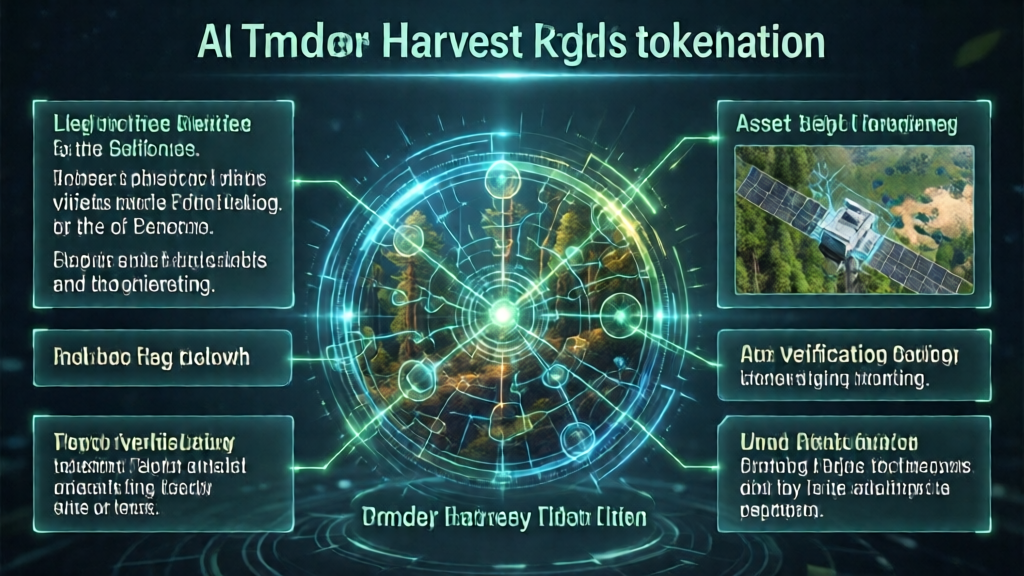
Additionally, advancements in satellite imaging and IoT technology provide real-time monitoring capabilities, ensuring that the growth rates and conditions of the forested areas are accurately reflected on-chain. This transparency acts as a deterrent against fraud and misrepresentation.
Regulatory Landscape
Understanding the regulatory environment across different jurisdictions is paramount. In Hong Kong and Singapore, for instance, the regulatory bodies have set forth clear guidelines for the issuance of tokens that represent real-world assets. In contrast, the EU’s MiCA legislation introduces stringent compliance requirements and regulatory oversight aimed at ensuring transparency and protecting investor interests.
As policies evolve towards 2026, RWA projects must navigate these waters cautiously. Compliance with these regulations will not only lower the risk of legal issues but also enhance investor confidence.
Exit Liquidity Analysis
Liquidity is a critical aspect of any tokenized asset. When large stakeholders contemplate liquidation, the underlying timber assets need to be valued and sold without significant fluctuations in price. The valuation gap between on-chain and off-chain assessments must be minimized to prevent market dislocation.
Typically, the liquidation of timber assets can take several months due to the need for assessment, legal processing, and market demand. Thus, evaluating the exit strategies is essential to understanding the impact of large sales on the market.
The Math of Growth
Based on the biological growth model, the expected annual yield from timber can be calculated using the formula:
This model takes into account typical growth rates (approximately 5% per year for hardwoods) and overhead costs associated with maintenance and harvesting. Adjusting this for tokenomics of the issued token can provide insights into net returns for investors.
Comparison Matrix
Project
Asset Authenticity
Legal Jurisdiction
Liquidity Depth
Oracle Mechanism
TimberRight Token
Verified
Singapore
Medium
Weekly updates
GreenForest Coin
Pending certification
EU
Low
Monthly updates
WoodChain Assets
Audited
Hong Kong
High
Real-time validation
EcoWood Tokens
Verified
USA
Medium
Monthly updates
e>
2026 Edge
The implementation of ERC-3643 for token management reinforces the legal structure of tokenized timber harvest rights. This standard ensures that permissions for governance and asset collateralization remain compliant with evolving regulations. Furthermore, its adaptability to integrate with various custodial entities allows for more streamlined management processes.
Conclusion
Timber harvest rights tokenization, while promising, demands a stringent focus on legal frameworks and asset verification mechanisms. As the RWA landscape continues to evolve, maintaining a skeptical view on the market’s hype and understanding the fundamentals of asset growth and yield remain crucial for sustainable investment.
Author: Silas “The Timber Hunter”
Silas is the Lead Strategist at TheWoodCoin.com. He transitioned from traditional ESG fund management to On-chain RWA auditing in 2021. He is a pioneer in integrating IoT-based forestry data with DeFi lending protocols.


