


Institutional RWA Protocol Comparison: Centrifuge vs. Maple
In the evolving landscape of Real-World Assets (RWA), protocols like Centrifuge and Maple have emerged as noteworthy et=”_blank” href=”https://thewoodcoin.com/?p=7776″>players. This analysis focuses on the valuation logic of these two platforms, examining their respective asset bases while addressing the pivotal question: if on-chain protocols collapse, how do the underlying tokens correspond to real-world assets like timber rights?
The Asset Audit
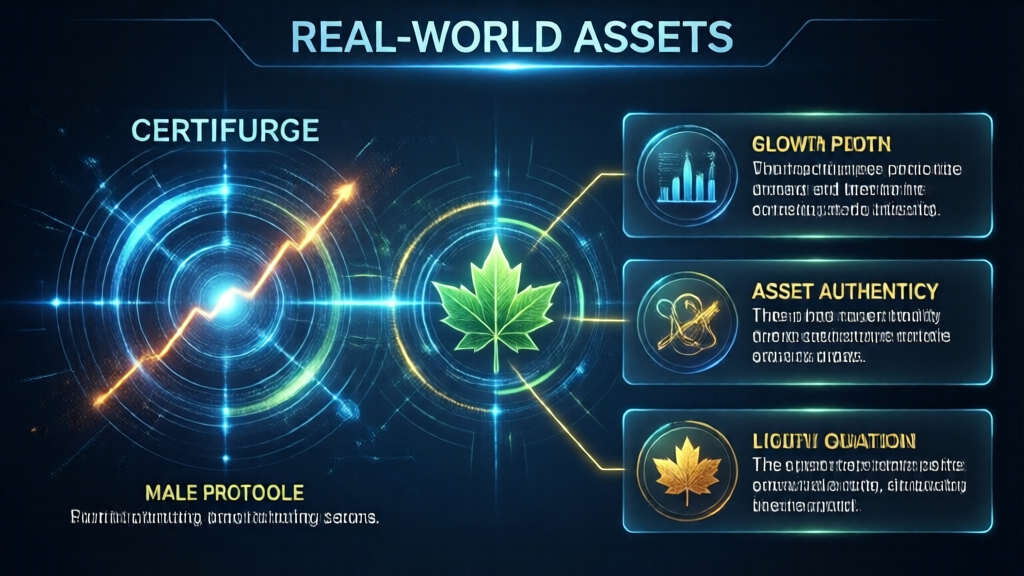
Centrifuge operates through a Special Purpose Vehicle (SPV) structure, which isolates legal liabilities and ensures compliance with jurisdictional regulations. Its partnership with custodial services and use of satellite imaging and IoT technologies enable real-time asset monitoring and verification. In contrast, Maple emphasizes decentralized liquidity pools but provides less transparency regarding its legal structure. This difference can significantly impact trust and perceived risk among institutional investors.
Regulatory Landscape
The regulatory requirements for RWAs in regions such as Hong Kong, Singapore, and the EU are rapidly evolving. Centrifuge has established a foothold in compliance, echoing the directives outlined in MiCA 2.0. On the other hand, Maple faces challenges due to its complex structure, which might hinder regulatory approval, especially under upcoming stringent measures et=”_blank” href=”https://thewoodcoin.com/anti/”>anticipated in 2026.
Exit Liquidity Analysis
Both protocols must address the liquidity risks associated with significant sell-offs. Centrifuge’s assets are typically backed by real-world invoices, which may take days to liquidate, while Maple’s reliance on liquidity pools poses unique risks of slippage during steep market declines. Analyzing the time frames for flipping these underlying assets into cash will dictate their resilience in turbulent markets.
Comparison Matrix
Criteria
Centrifuge
Maple
Notes
Asset Authenticity
High, supported by SPV
Moderate, less transparency
Legal structuring affects risk
Legal Jurisdiction
EU-focused compliance
Less clear legal structure
Regulatory risks vary greatly
Liquidity Depth
Deep, limited by asset types
Variable, impacted by user demand
Liquidity events can cause delays
Oracle Verification Mechanism
Regular and reliable
Infrequent or less robust
Verification consistency is key
e>
The Math of Growth
Considering the biological growth model of timber, an annual growth rate of 4% can be incorporated into a yield prediction formula. For instance:
Predicted Yield = (Timber Growth Rate – Token Burn Rate) * Asset Value
This analytical framework allows investors to gauge potential returns beyond mere market speculation.
2026 Edge
The impending rollout of the ERC-3643 standard may provide a competitive advantage to protocols with robust permissions management. It enhances transparency and operational security within Regulated RWA environments.
In summary, while both Centrifuge and Maple hold promise, their foundational approaches to asset management, legal considerations, and exit strategies reveal critical discrepancies that must be navigated by institutional investors. As we approach 2026, the maturation of regulatory frameworks will further illuminate these protocols’ viability in the competitive RWA landscape.
To stay informed on the evolving RWA market, subscribe to TheWoodCoin: Weekly RWA Penetration Report.


