

Introduction
In the rapidly evolving world of cryptocurrencies, the need for compliance has never been more critical. With $4.1 billion lost to DeFi hacks in 2024, the urgency to have a robust Crypto Compliance Checklist is clear. As platforms deal with regulatory scrutiny and the ever-present threat of cyberattacks, understanding and implementing these compliance measures is essential for safeguarding digital assets. This article not only outlines the key elements of effective compliance but also highlights the strategic importance of digital security in maintaining user trust and platform integrity.
Understanding Crypto Compliance
What is Crypto Compliance? Crypto compliance involves adhering to established regulations and best practices in the crypto space to ensure the security and legality of transactions. For platforms, this encompasses a wide range of activities, from implementing anti-money laundering (AML) measures to ensuring user data protection.
Key Regulations Impacting Compliance
- AML and KYC Regulations: AML (Anti-Money Laundering) and KYC (Know Your Customer) protocols are foundational to compliance in cryptocurrency. They help in preventing misuse of crypto channels for illegal activities.
- GDPR: The General Data Protection Regulation (GDPR) is another crucial regulation, particularly for platforms operating within or interacting with the EU. Compliance ensures user data rights are upheld.
- FinCEN Guidelines: The Financial Crimes Enforcement Network (FinCEN) provides specific guidelines for cryptocurrency dealings, impacting how platforms manage user information and transactions.
- Tax Compliance: Obligations regarding reporting and taxation of crypto transactions, highlighting the importance for platforms to ensure users comply with local tax laws.
Creating Your Crypto Compliance Checklist
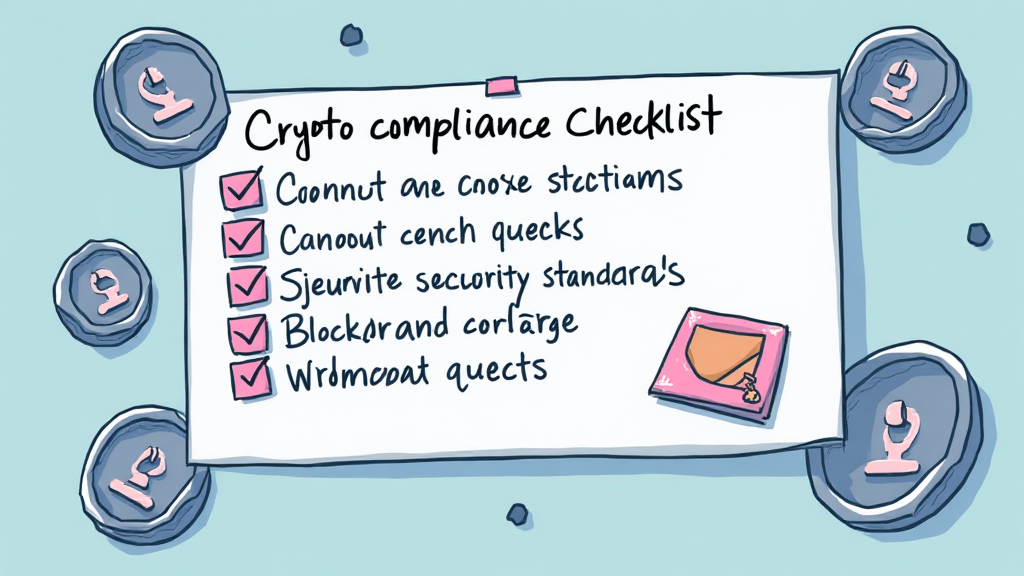
Now that we understand the frameworks that guide compliance, let’s delve into building your Crypto Compliance Checklist. Think of this checklist as a protective shell around your platform, similar to a bank vault for digital assets.
1. Establish Robust KYC Procedures
Implement strong KYC protocols that require users to verify their identity before engaging in transactions. This step not only ensures compliance but also builds a trustworthy user community.
2. Implement Effective AML Measures
Use transaction monitoring software to detect and report suspicious activities in real-time. This measure is vital for maintaining compliance and protecting your platform from potential fraud.
3. Protect User Data
Ensure that user data is securely stored and processed. Regular audits and updates to your cybersecurity measures will drastically reduce the risk of data breaches.
4. Stay Updated on Regulatory Changes
Invest time in researching and learning about changes in regulations. The crypto space is dynamic; being proactive about laws in different regions, especially in rapidly growing markets like Vietnam, is crucial.
5. User Education and Transparency
Educating users about compliance and security policies fosters transparency and trust. Consider hosting webinars or creating informative materials outlining your compliance measures.
Real Data Analysis: Vietnam’s Crypto Compliance Landscape
Vietnam is experiencing one of the highest growth rates in cryptocurrency adoption globally, with a 240% increase in users in the past year. This rapid expansion necessitates a thorough approach to compliance as regulations evolve within this burgeoning market.
Recent Trends and Statistics
According to a 2025 report:
- More than 15% of Vietnamese citizens currently hold cryptocurrencies.
- Regulatory bodies are strengthening compliance measures, impacting over 500,000 transactions monthly.
Conclusion
As the digital assets landscape continues to innovate, having a well-structured Crypto Compliance Checklist is essential. By ensuring compliance, platforms not only protect themselves from regulatory penalties but also enhance their reputation and trust among users.
The evolving crypto compliance scene offers numerous opportunities for platforms that embrace transparency and user security. Keeping abreast of regulatory changes and implementing robust compliance strategies will set your platform apart in a competitive marketplace. By following this checklist, you can ensure that your operations align with both local and global standards. Remember, compliance is not just a checklist; it’s a commitment to protecting your users and your platform.
For more insights into navigating the crypto landscape efficiently, visit us at thewoodcoin.


