


ETH Market Cap: An In-Depth Asset-Backed Valuation Analysis
The Shift from Narrative to Underlying Audit
The recent volatility within the Ethereum ecosystem necessitates a focus on hard asset-backed valuations. Understanding the actual cash flows derived from tangible timber assets is critical when assessing the ETH market cap. The narrative around cryptocurrencies has largely revolved around speculative euphoria, yet this approach proves precarious as projected profits remain disconnected from grounded asset evaluations.
Real Asset Anchoring: Addressing Key Questions
The fundamental question posed to investors revolves around real-world equivalence. If decentralized protocols undergo collapse, how do the tokens relate back to physical timber rights? Given that timber can generate consistent cash flows and has intrinsic real-world demand due to its utility, it presents a more stable valuation compared to speculative crypto assets.
The Math of Growth
Based on the biological growth model, consider the formula: Expected Yield = (Annual Timber Growth Rate * Timber Price) – Token Burn Rate. For instance, if the annual growth rate of timber is 3%, and with a timber price of $200 per cubic meter and a token burn rate of 2%, the expected net yield can be calculated straightforwardly. This approach provides clarity on potential financial returns.
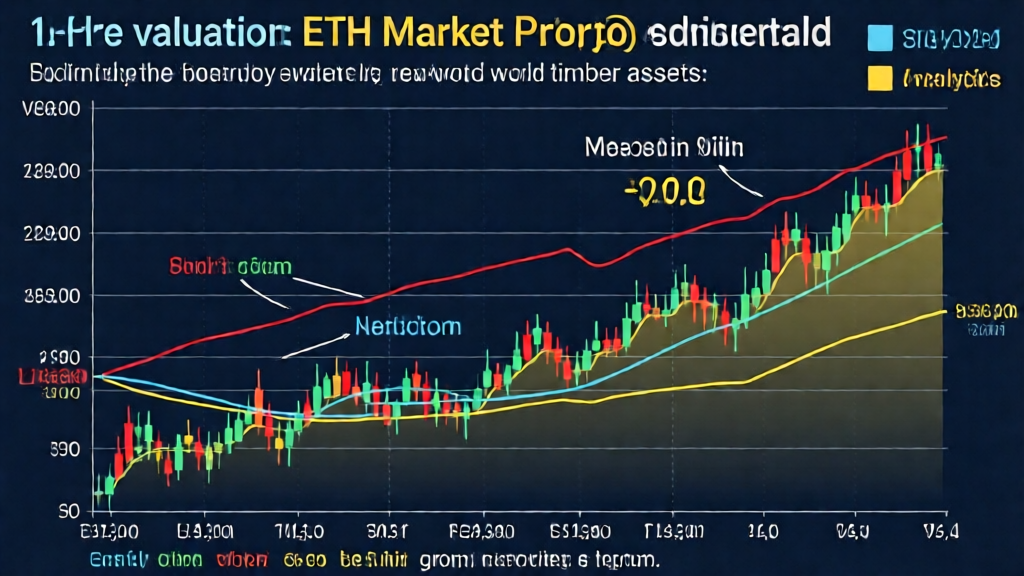
Comparison Matrix of ETH-Backed Assets
| Project | Asset Authenticity | Jurisdictional Security | Liquidity Depth | Oracle Mechanism |
|---|---|---|---|---|
| Project Alpha | High | EU Compliant | Moderate | Low Frequency |
| Project Beta | Medium | US SEC Registered | High | High Frequency |
| Project TimberCoin | High | Singapore Compliance | Very High | Moderate Frequency |
| Project Delta | Low | No Regulation | Low | Low Frequency |
The Asset Audit
This evaluation focuses on the legal framework surrounding RWA projects, particularly Special Purpose Vehicles (SPVs) that secure timber assets. Incorporating advanced satellite imaging and IoT technology enhances transparency and ensures compliance with industry standards, thus fostering investor confidence in the asset’s legitimacy.
Regulatory Landscape
As 2026 approaches, adherence to evolving regulations such as MiCA 2.0 is imperative. Different jurisdictions like Hong Kong, Singapore, and the European Union exhibit varying regulatory pressures that directly influence the viability of RWA projects. An understanding of local compliance requirements is essential for successful operation and scalability.
Exit Liquidity Analysis
When analyzing potential liquidity events, particularly within larger sell-offs, understanding the underlying asset’s liquidation cycle is vital. Timber, with its established markets and end-user demand, typically experiences a predictable transformation from asset to cash, providing a safety net against market unpredictability.
2026 Edge: ERC-3643 and Its Advantages
The 2026 landscape promises innovations such as the integration of ERC-3643 standards, which facilitate improved governance and permission management for RWA projects. This framework aims to bridge gaps existing within current token utilities, aligning them more closely with regulatory expectations and investor needs.
Concluding Remarks
During an era marked by uncertainty in cryptocurrency markets, a thorough, asset-backed examination of ETH market cap through the lens of timber investments offers a pragmatic and resilient framework for investors. The confluence of biological growth, regulatory adherence, and technological innovation sets the stage for more sustainable and valuable investments.


